When Diet Culture Steals Tradition: The Pressure to Avoid Cultural Foods During Hanukkah
Hanukkah is a time filled with warmth, tradition, and connection—eight nights of gathering, lighting candles, and enjoying foods that carry deep cultural meaning. But for many people in recovery from an eating disorder, the holidays can also bring pressure, guilt, and fear around food. Diet culture often shows up loudly this time of year, pushing messages about “healthy swaps,” “clean eating,” or avoiding cultural dishes altogether.
And when those messages collide with tradition, it can create confusion and shame:
“Should I eat this?”
“Is this too much?”
“Maybe I should skip the latkes.”
“How do I honor my culture but still stay in recovery?”
Diet culture loves to disguise itself as “discipline” or “wellness,” but the cost is often the loss of connection—to your roots, your family, your community, and yourself. This post is a reminder that traditional foods are not the enemy, and that your culture is allowed to exist without apology—even during recovery.
The Problem With “Healthy Holiday” Messaging
As soon as the holidays approach, the internet becomes flooded with posts about “lightened-up latkes,” “air-fried sufganiyot,” and “ways to avoid holiday weight gain.” While these might seem harmless, they reinforce damaging ideas:
That cultural foods need are “bad” and need to be “fixed” or “made healthier” so they are “good”
That your body can’t be trusted around traditional holiday foods and meals
That food is something to control—not experience
That what the food is made up of is more important than the taste
That weight change is a problem
This messaging creates unnecessary pressure and steals joy from moments that should be rooted in celebration and remembrance. It also steals you away from the present moment with family, as you focus on the food rather than the people you’re with and the reason for the celebration.
Traditional Foods Carry Meaning—Not Morality
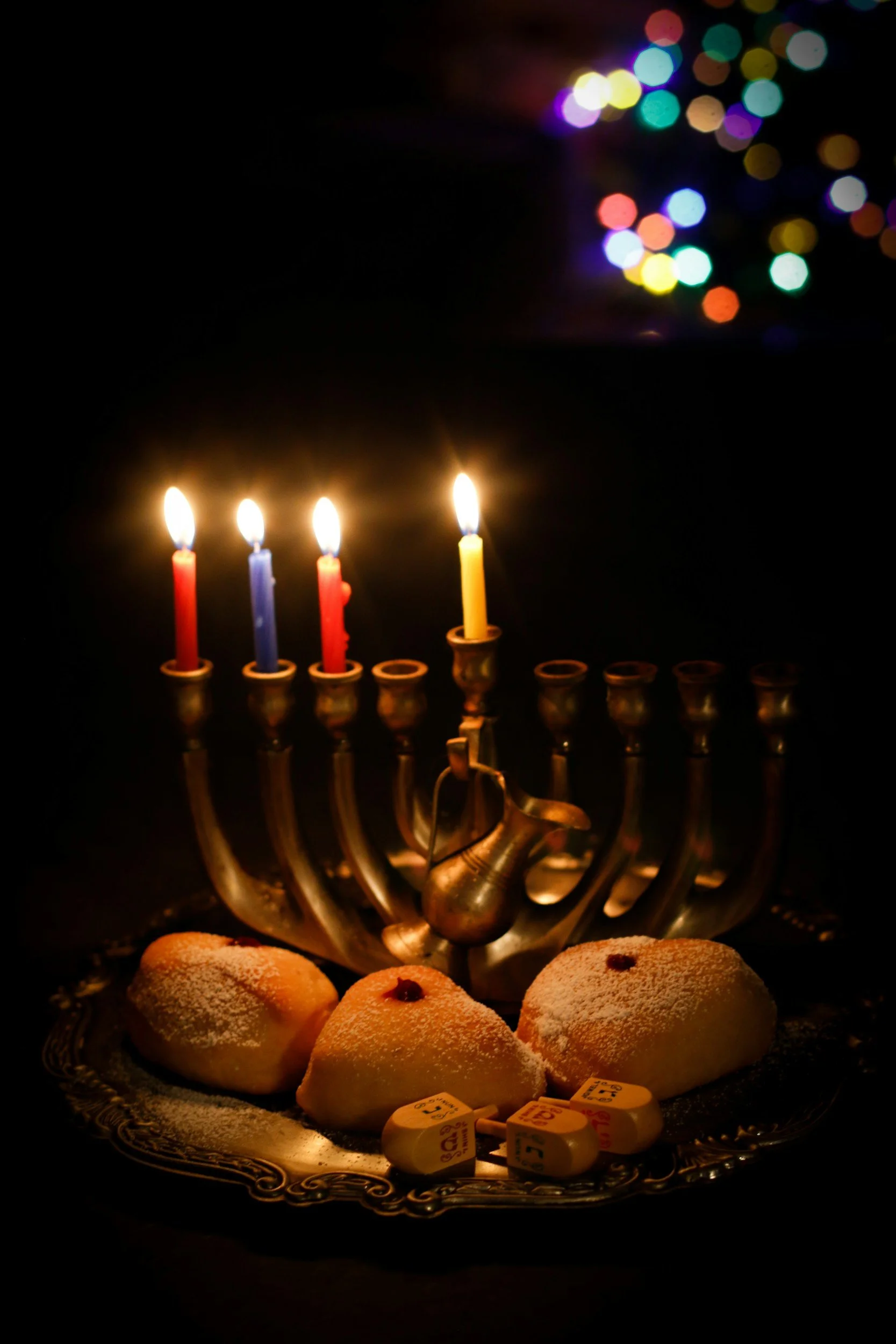
Latkes, sufganiyot, brisket, challah—each dish tells a story.
A story of resilience.
A story of identity.
A story of community.
Hanukkah foods are not just calories; they’re symbols. Eating them can be a powerful act of connection—to your culture, to the people around you, and to generations before you. When diet culture persuades you to avoid or modify these foods out of fear, it disconnects you from that meaning.
You deserve to participate fully in your traditions without guilt. No food is good or bad, and Hanukkah foods are no different. Your plate can hold all of the delicious foods without any guilt.
You Can Honor Tradition and Support Your Recovery
Recovery during the holidays is absolutely possible—without skipping foods or celebrations that matter to you.
Here are a few grounding reminders:
Traditional foods are part of emotional and cultural nourishment.
Your recovery includes honoring what matters to you, not avoiding it. Give yourself unconditional permission to eat these foods. Check out our blog on unconditional permission to eat for a reminder.A holiday meal does not undo your progress.
One food, one day, or one holiday season does not define your healing.Structure helps.
Keeping regular meals and snacks leading up to holiday gatherings can prevent restriction-rebound cycles and support a calmer mind. When your blood sugar is regulated and steady, you are able to approach gatherings from a place of joy, rather than anxiety.Your comfort matters.
You’re allowed to ask for support, sit with someone you trust, or take breaks when needed. Our blog post, “How to Protect Your Plate and Your Peace With Extended Family” has some great tips, reminders, and strategies to check out.
Recovery is not about eliminating traditions; it’s about finding ways to participate that feel aligned, supportive, and grounded.
Reflection Questions
If you want to explore this more deeply, try journaling on:
What cultural food(s) feel meaningful to me, and why?
How has diet culture influenced the way I show up in holiday traditions?
What would honoring both my culture and my recovery look like this year?
What support do I need to feel more grounded around holiday meals?
These questions can help you separate your own values from the pressure diet culture tries to impose. You can answer these questions on your own, or you can bring them to your therapist or dietitian to work through together, in a supportive way.
Need Support This Holiday Season?
If you’re feeling pressure to avoid traditional foods or you’re unsure how to navigate Hanukkah while staying grounded in recovery, you don’t have to do it alone. Working with a dietitian who understands eating disorders can help you rebuild your relationship with food, reconnect with joy, and approach the holidays with more confidence—not fear.
If you’d like support, guidance, or a personalized plan, you can click here to book an appointment with a dietitian. We’re here to help you honor both your culture and your healing. Hanukkah Sameach!