There’s a big holiday coming up next week, in case you weren’t aware. But we’re guessing that you’re very aware, since it’s hard to escape. Articles about the cost of Thanksgiving this year versus previous years are in the finance pages. Your social media stream is likely filled with new recipes to try this Thanksgiving, “perfect” Thanksgiving outfits, and how to handle your difficult family members. Thanksgiving seems like it should be such an easy holiday- gather, be thankful, watch football, and eat food. But it rarely is easy, and if you have an eating disorder, it’s an incredibly difficult holiday. Today, we aren’t talking about the actual holiday (if you want some tips on navigating Thanksgiving in eating disorder recovery, check out our blog here.)
Today, we’re talking about the day after Thanksgiving. After you’ve had a big meal and possibly lots of big emotions, what comes next? How you approach the 48 hours after Thanksgiving is important, and we have 4 tips on how to navigate leftovers, next day eating, and how to stay on track after Thanksgiving.
Tip #1: Eat Regularly
Your eating disorder voice, and possibly your relatives might be talking about “making up” or “working off” the Thanksgiving meal. People around you, or your eating disorder might be saying to skip meals, restrict intake, or punish yourself with exercise. But your body is looking for energy, to keep your brain functioning, your emotions regulated, and keep you energized for the day. Whether you go shopping on Black Friday, decorate for the holidays, volunteer at a food shelter, or go to work, your body needs energy each day.
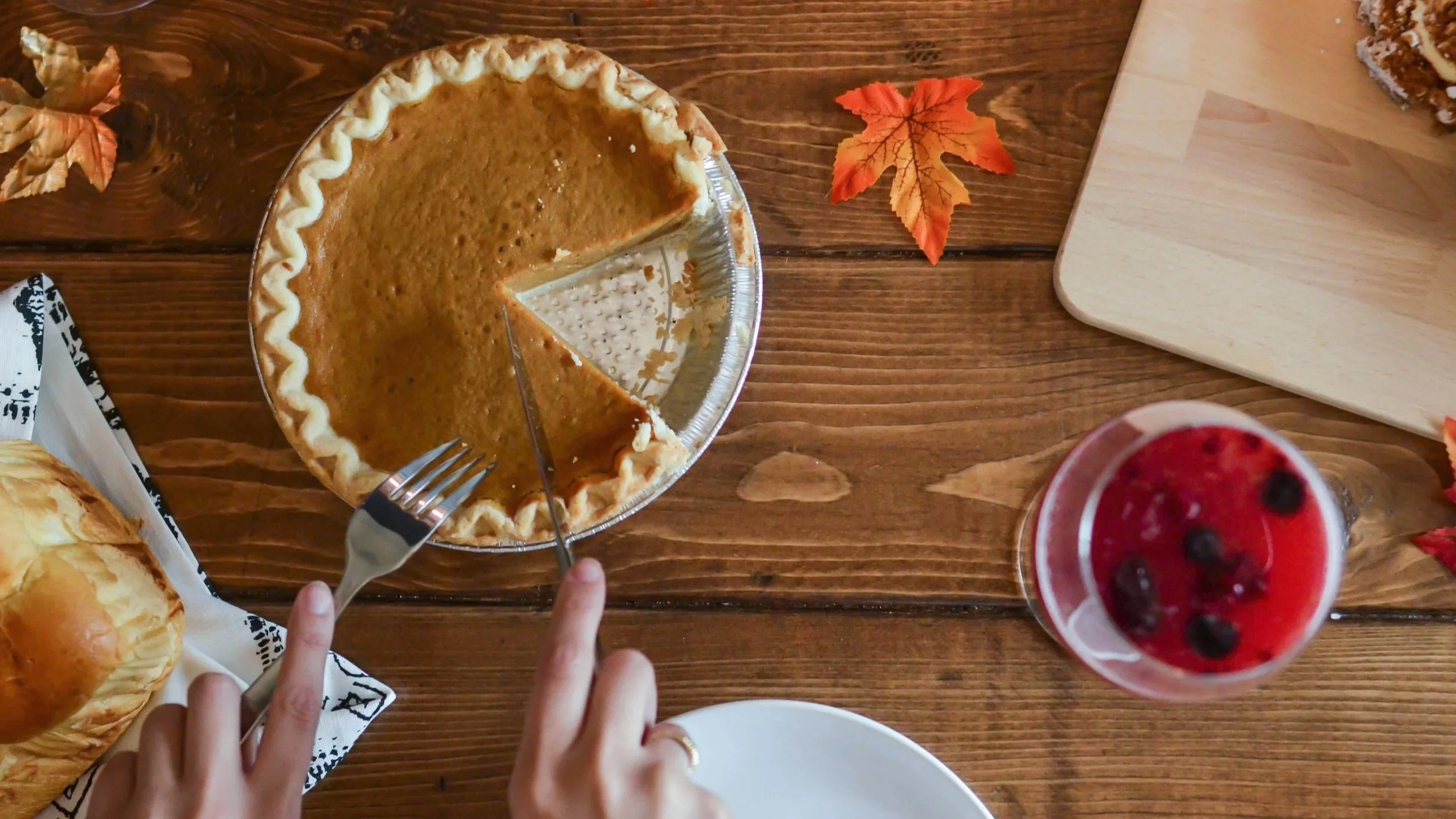
Our recommendation, as registered dietitians, is to keep eating regularly. Eat 3 meals and at least 2 snacks, with balance and variety. Make a leftover sandwich, eat pumpkin pie with a cup of coffee for a snack, or have a favorite lunch that has nothing to do with Thanksgiving. If you’re not at home, choose from what’s available. You’ll have to lean on your eating disorder recovery work and embrace flexibility. Just make sure you’re eating. It will help your body maintain homeostasis (AKA balance), and it will help you to stay strong in your eating disorder recovery, grounded in your emotions, and ready for whatever else your holiday weekend plans entail.
Tip #2: Respect Your Body
If you’re following tip #1, you are doing a great job of this already! After Thanksgiving, we want you to focus on respecting your body, however it’s feeling today. Choose comfortable clothing, choose to nourish yourself, and only exercise if it’s joyful movement, and your treatment team has authorized it. If your body wants to rest, you are absolutely allowed to sit on the couch and watch holiday movies all day long. If your body wants to go shopping, wear comfortable shoes, dress for the weather, and enjoy. You might be feeling bloated today, and that’s a completely normal sensation in your body. It’s also temporary. As your body processes food, and it moves through your digestive system, your body will get back to normal. Be kind to yourself, remind yourself that the uncomfortable feeling is temporary, and ask what your body needs today.
Tip #3: Find the Joy
Thanksgiving is a wonderful holiday, and it can also be very challenging. Whether or not you have an eating disorder, Thanksgiving often brings up big emotions, arguments, and discomfort. You might be feeling bloated or anxious or annoyed. All of that is okay. Can we also look for some joy from Thanksgiving? Did you eat something you only have once a year, and look forward to, even if it’s scary? Or maybe you got to watch your favorite football team win, watching with your family. Is there a tradition (food or not) that you love every year and you’re grateful you got to partake in? Look for those small moments of joy amidst everything else. Find the joy where you can. Remember, Thanksgiving is about being thankful, and it takes effort to express gratitude, but it’s so worth it. Read how important gratitude is to your recovery in our blog here.
Tip #4: Practice Grace
Above all else, after Thanksgiving (or any big holiday or gathering or meal), practice grace towards yourself and others. There is no way to be perfect, as a person, as a host, as a guest, or in your eating. Showing up imperfectly and trying is what matters. If you came to the table, but had a hard time eating, that’s OK. Give yourself grace for showing up. If you came to the table and ate what felt like too much, remind yourself that perfection doesn’t exist. See the above tips to help you deal with the mental struggles you might be feeling today, and give yourself grace in everything.
If you want to take your practice of grace further, write down your thoughts, challenges, and setbacks. You can write them in a journal, write them in an email to send to your therapist or dietitian to talk through in your next session, or you can draw them out. Getting your feelings out helps to free you from being controlled by them. Release them, take a deep breath, and choose one of the affirmations below to repeat to yourself when you’re feeling down.
“I am allowed to make mistakes.”
“I give myself permission to rest without guilt.”
“I release harsh expectations and choose self-compassion instead.”
“I am doing the best I can right now.”
“I am patient with myself today.”
“I deserve love and grace.”
We hope you all have a wonderful Thanksgiving and a great holiday weekend after! Please reach out to us if you need additional support with your eating, body image challenges, or navigating the holidays, whether you have an eating disorder or want support from dietitians who get it and approach our work with compassion and care.