Why Ultra-Thin Celebrity Culture Is Affecting Mental Health Again
Lately, it feels like we've gone backwards. Body positivity and body acceptance had a big resurgence in the 2010s, and the trend seemed to be gaining momentum. More brands featured diverse body types and sizes offered, people were talking openly about recovery, and there was growing awareness that health doesn't have a specific look. But recently, social media has started telling a different, more concerning story.
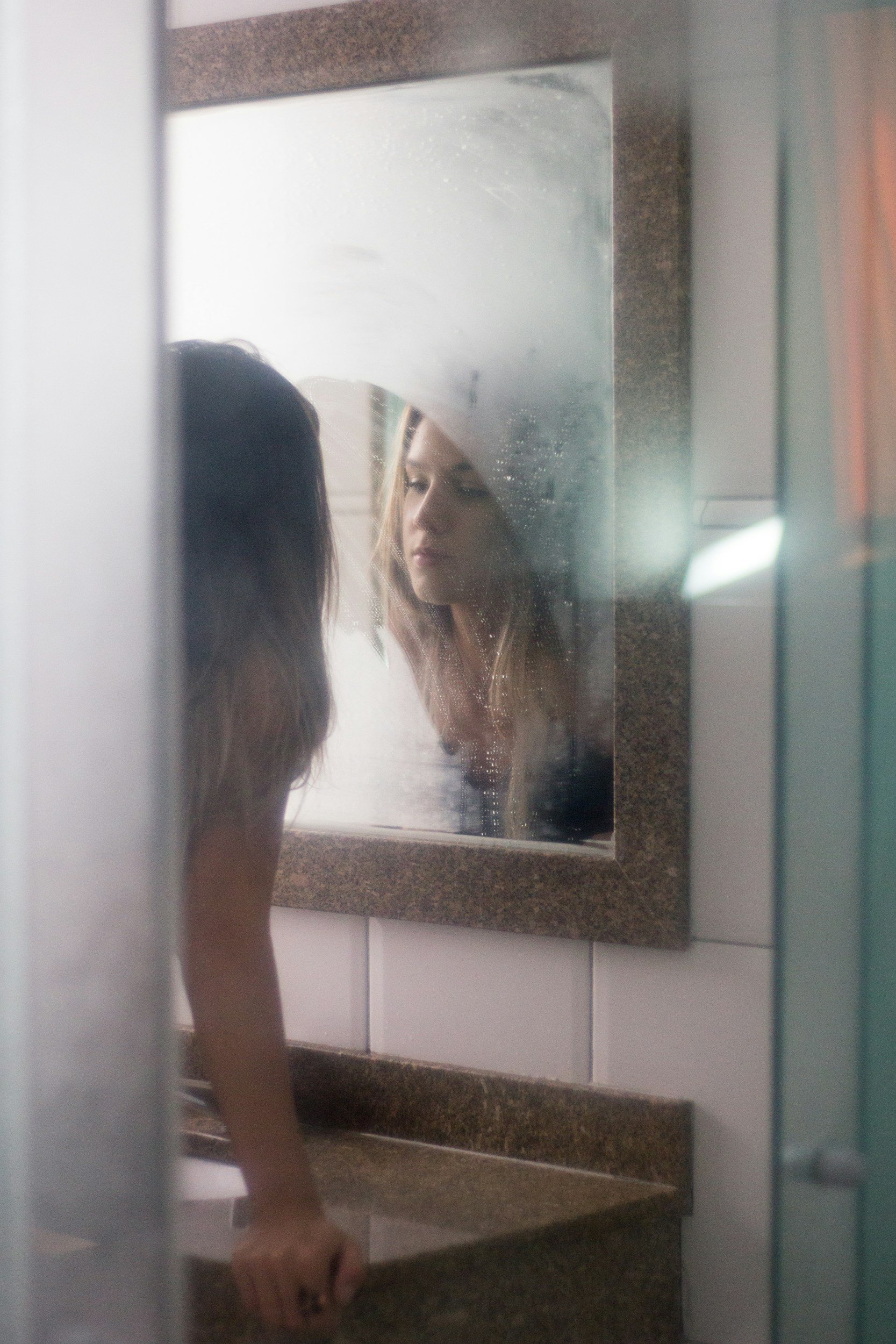
Ultra thin bodies are once again dominating headlines, red carpets, magazine covers, and social media feeds. Discussions about dramatic weight loss in celebrities, “Skinnytok” and people on the internet have made their way back into everyday conversations. Whether weight changes are related to medications like GLP 1s, personal health, or something entirely different, the constant focus on appearance and specifically weight has shifted attention back to one message many people hoped we had left behind: that thinner is somehow better, more worthy, and healthier.
As eating disorder dietitians, we've seen firsthand how quickly these trends can affect mental health.When every scroll shows before and after photos, body comparisons, or comments praising extreme weight loss, it's easy to start questioning your own body. Someone who was feeling confident in recovery may suddenly begin wondering if they should lose weight. Others may find old eating disorder thoughts becoming louder again after years of healing. Someone who is working hard to accept weight gain as a necessary component of their eating disorder recovery can feel that they are doing something wrong by gaining the weight their body needs.
The difficult part is that these conversations rarely focus on how someone feels or what their physical or mental health looks like. Instead, they focus almost entirely on how someone looks and what weight they are. We celebrate smaller bodies without knowing what someone may be going through. Weight loss can happen for countless reasons, including illness, stress, medications, hormones, or mental health struggles. Appearance alone tells us very little about someone's overall well being.
Social media algorithms only make the problem worse. Once you click on one video discussing celebrity weight loss or body trends, your feed quickly fills with similar content. Before long, it can feel like everyone is getting thinner, even when that isn't reality. This constant exposure can increase body dissatisfaction, anxiety, lower self esteem, and increase disordered eating behaviors.
It's also important to remember that celebrities have access to resources most people don't. Personal chefs, trainers, stylists, editing, lighting, cosmetic procedures, and carefully curated social media accounts create an image that often isn't achievable or realistic. Comparing yourself to that standard is like comparing your everyday life to a movie set. Your body is not a trend.
Body ideals have changed throughout history, and they will continue to change. What is considered desirable today may look completely different ten years from now. Chasing every new beauty standard often leaves people feeling exhausted, frustrated, and disconnected from themselves.
Instead of asking whether your body fits the latest trend, ask yourself something more meaningful. Is your body allowing you to live your life? Can it carry you through work, school, vacations, celebrations, and time with the people you love? Those are the things that truly matter.
If you've noticed that social media or celebrity culture is making you feel worse about yourself, consider taking a break from accounts that trigger comparison. Follow creators who promote realistic body image, unfollow content that increases anxiety, and remember that your worth has never depended on your size. And be sure to check out our blog, How to Stay Focused on Your Recovery When Everyone is Talking About Weight Loss Goals.
At Namaste Nourished, we help individuals break free from comparison, challenge harmful body image messages, and rebuild a peaceful relationship with food and their bodies. Recovery is possible, even when the world around you is sending confusing messages. If you're struggling, we're here to help. Please reach out to us!
References
American Psychological Association. Social media use and body image research.
National Eating Disorders Association. Body image and social media resources.
Schaefer, L. M., Burke, N. L., Thompson, J. K., et al. (2023). The impact of social media on body image and eating disorder risk.
World Health Organization. Mental health and adolescent well being.