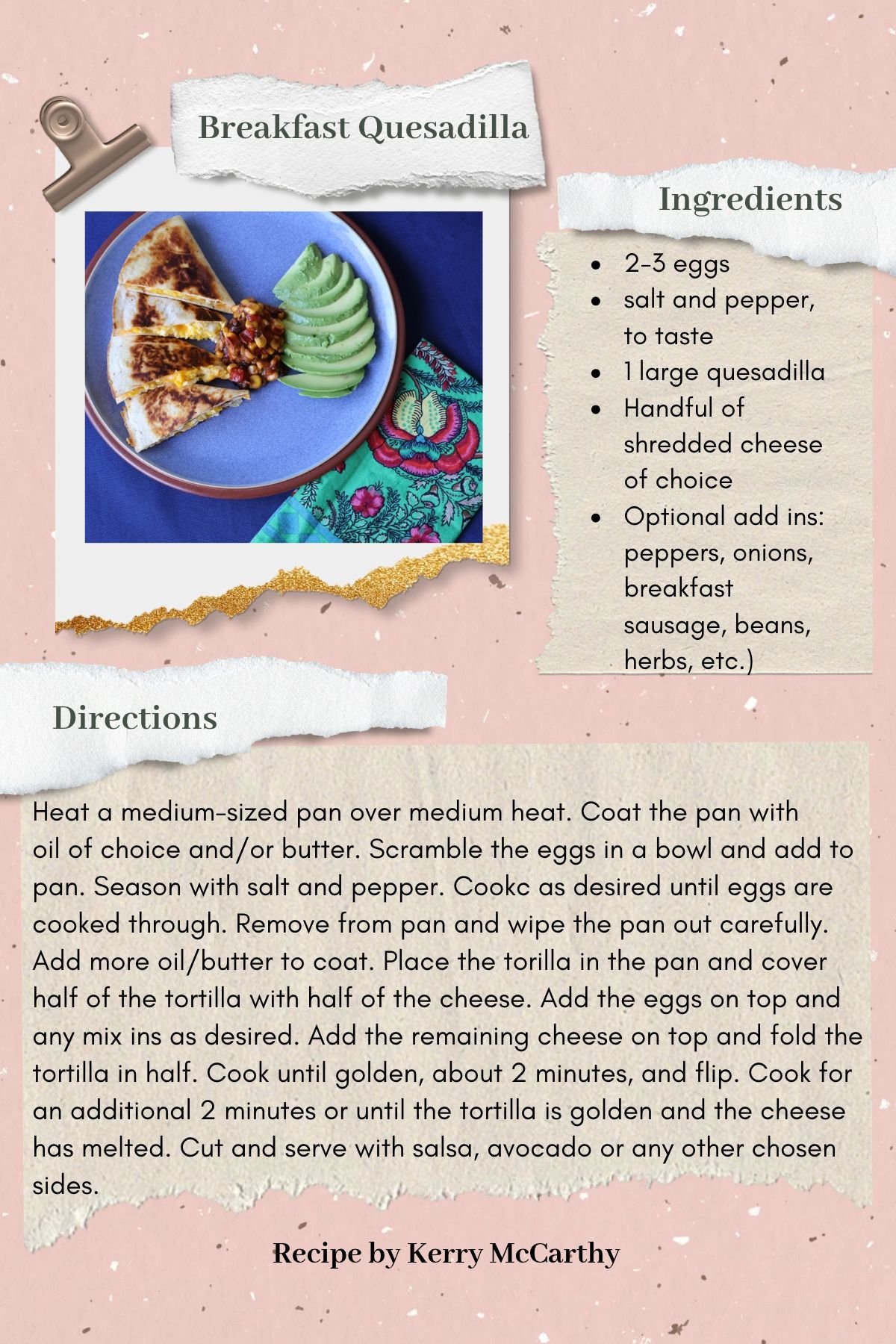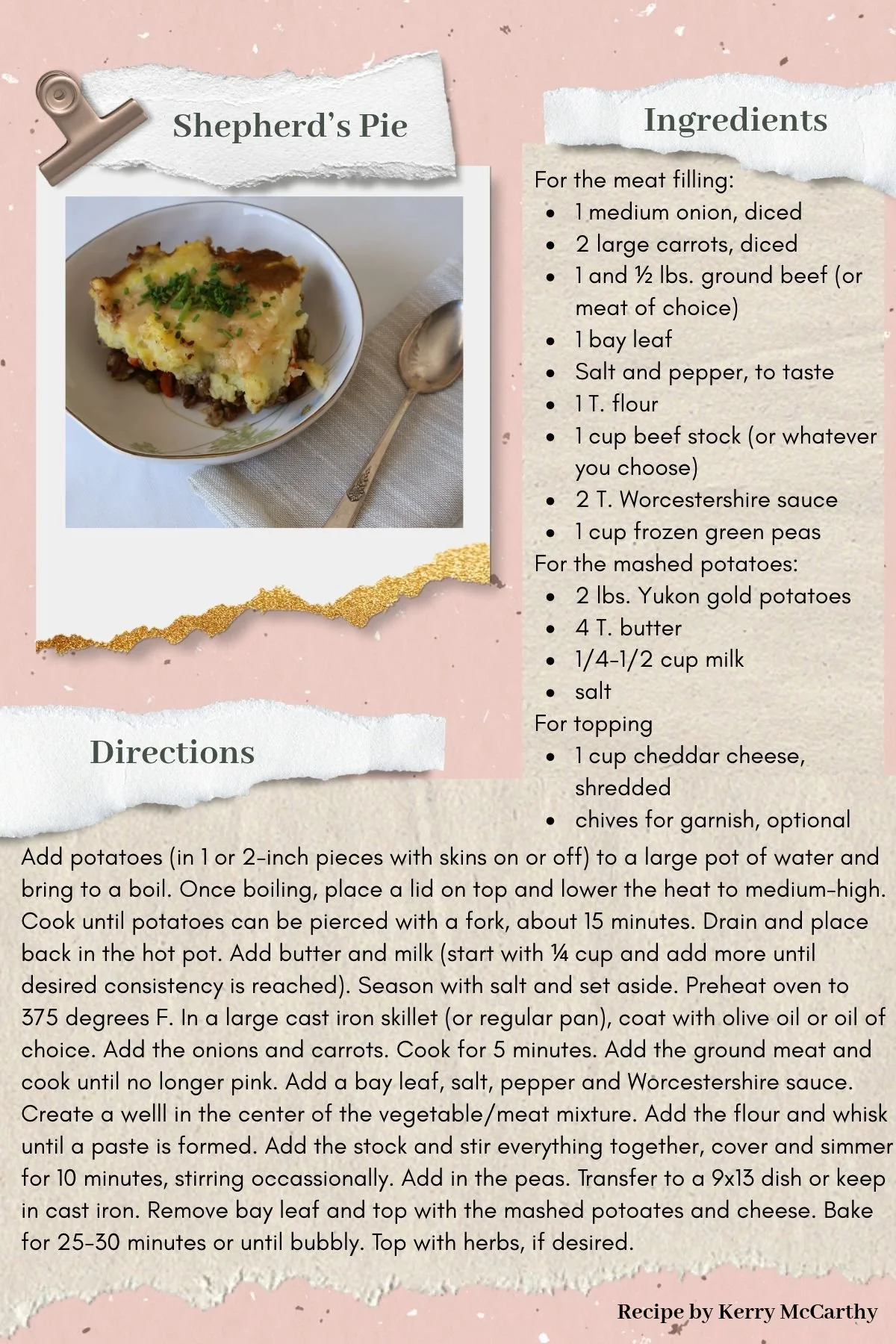
If you have an eating disorder, or if you have a history of an eating disorder, cooking might be something you avoid. There may be times when allowing someone else to do your cooking and preparation is necessary, to ensure you are being nourished adequately and/or that your mental health is in a good place. Avoiding cooking forever, though, is not something we want you to aspire to. Instead, at some point on your recovery journey we want you to embrace cooking in spite of your eating disorder. Remember, recovery is messy, but doing regular tasks like cooking can remind you how food is so much more than food.
Read on for 3 reasons to get back to cooking in your eating disorder recovery, plus 2 eating disorder friendly recipes at the end.
Food as a Source of Connection
Food is a wonderful way to connect with friends, family, or a new culture or destination. When you get together with friends or family, it’s usually around a shared meal, whether in someone’s home or out. Traveling to a new part of the world allows you to experience a culture through their food. Food is meant to connect us, and cooking is a wonderful way to remember this. Maybe cooking for yourself feels too challenging right now, but you can cook for someone else. It can be for your parents, your children, a teacher, or the person who delivers your mail. Cooking for someone else doesn’t need to be complicated, as cliche as it is, it’s the thought that counts.
As you start cooking and finding more connection through it, you might find yourself wanting to connect with yourself through cooking. Preparing a meal or snack for yourself is the ultimate act of love- choosing to purchase and cook for yourself is a simple, but important way to show yourself love. It’s also a wonderful reminder that any food is a way to connect, it’s about the intention behind it. It’s also a great way to remember that food isn’t supposed to be as scary as your eating disorder has made it out to be. Food is a way to connect, express or receive love, and nourish yourself and others.
Finding Comfort in a New Way with Food
If you have an eating disorder, you likely find safety or comfort in some way with food. It could be with a certain food or a behavior around food, and it’s also likely very rigid. Cooking helps you engage with food in a new way, and one that can provide true comfort, rather than the brief moments when an eating disorder rule is upheld. It is a great way to practice “Beginner’s Mind”, or having a new experience with something familiar.
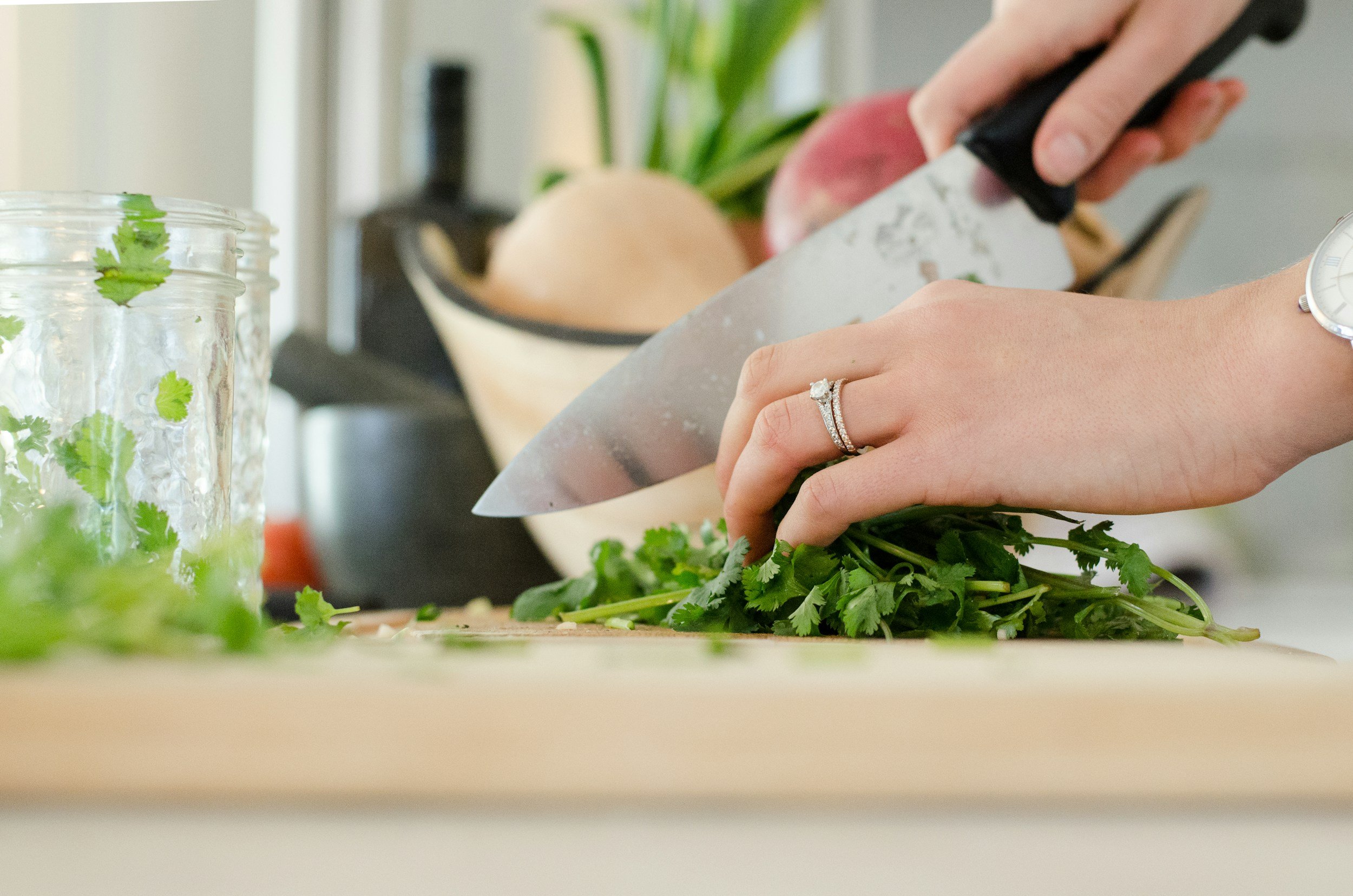
In cooking, your senses are all engaged. You are seeing and smelling the ingredients as they are each added to a recipe, and as they come together to form something new. You might be feeling an ingredient as you chop it up, or feeling the warmth as you cook it over the stove. What sounds do you notice when you are cooking? It could be how ingredients are mixing together, the sizzle of an onion in butter, or the bubbling of a pasta sauce cooking on the stove. And the best way to know if a recipe is ready is to taste as you go.
Eating disorders like to strip away the joy and fun of food, in pursuit of making it “healthier,” (side note that this often means sacrificing flavor or removing certain necessary ingredients for a false promise of how something will be used by your body). Cooking, even when you have an eating disorder, can help you to experience the comfort and joy that food is meant to bring.
Practice Living Without Rules
In baking, you need to be precise in your measurement of ingredients, as it is a scientific process, and adding more or less of a certain ingredient can negatively impact the end result. In cooking, however, it’s good to practice without the rigidity around ingredients. You can alter a recipe to be what you like and how you like it. It’s part of what makes cooking fun, and it forces you to engage your senses. If you’re making a soup and you can’t stand the way cooked onions taste, add more chopped carrots. If your soup is too watery, add less broth, or thicken it up so that it’s the texture you want. Cooking is a way to be in control with your food from a more regulated place.
What makes cooking fun is being able to experiment. Try new recipes, try old recipes in new ways, adjust as you cook, adjust as you eat. We love to add things to your plate, so consider along the way, what would make this even more enjoyable? A thick slice of Italian bread with soft butter alongside your soup? Freshly grated Parmesan cheese atop your homemade pasta sauce and a slice of garlic bread? You get to try new things, experiment without rules, and find out what you like. If you approach cooking with an open mind and from a place of regulation and recovery, you might find that you now like to eat something you didn’t previously.
Two Recipes for Beginning to Cook in Eating Disorder Recovery