Is High-Protein Culture Harmful?
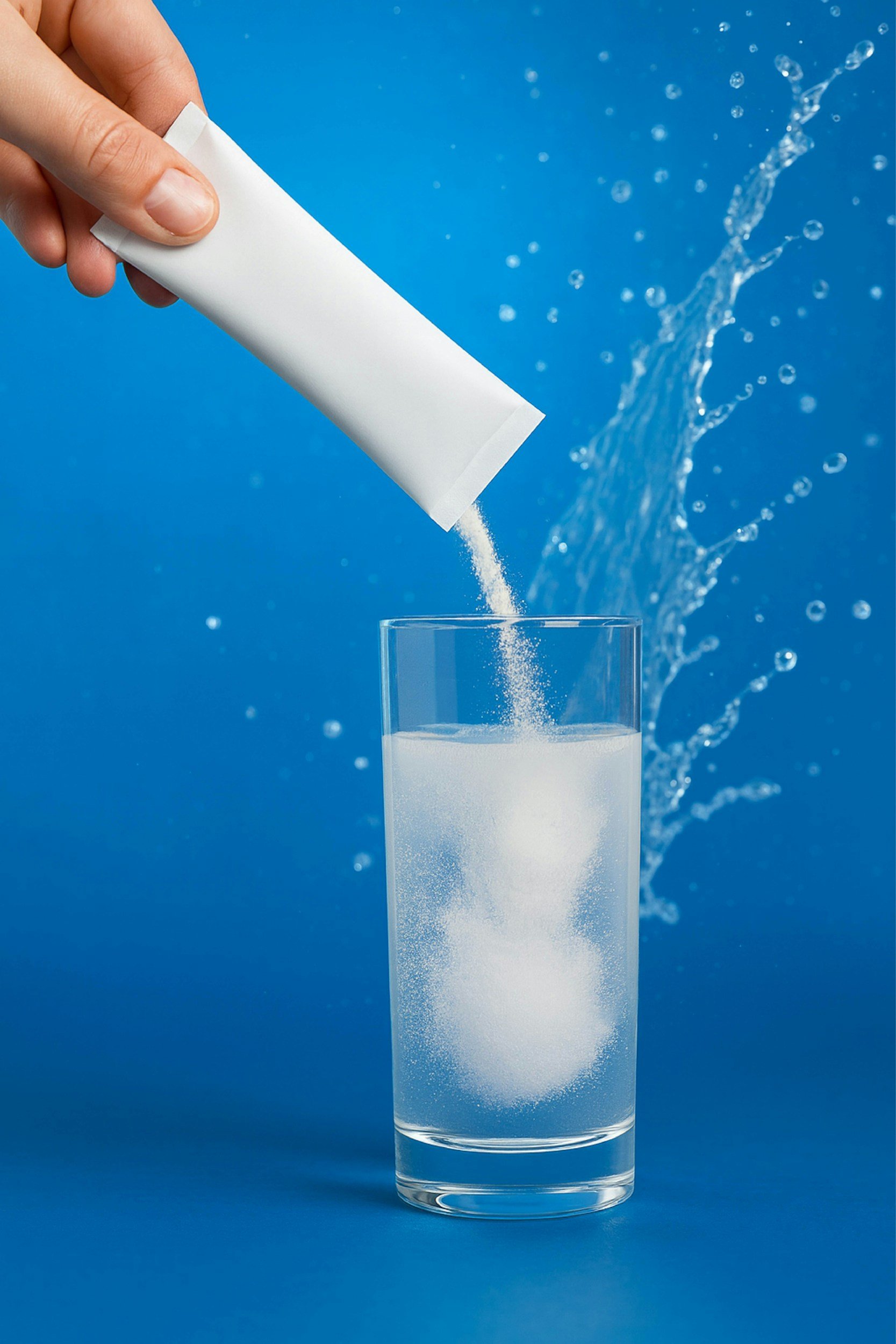
It seems like everywhere you look, there's another high protein product hitting the shelves. Starbucks recently introduced protein cold foam and protein coffee drinks. Protein matchas are popping up on menus, grocery stores are filled with protein chips, protein pasta, protein cereal, and protein ice cream. Now there are even brands selling protein water. A few years ago, it was hard to find foods with added protein. Today, it almost feels like companies are racing to put protein into everything.
Don't get us wrong- protein is an essential nutrient, and it plays an important role in our health. But somewhere along the way, the message shifted from "make sure you're getting enough protein" to "every bite needs to contain as much protein as possible."As a group of eating disorder dietitians, we've started to wonder whether this trend is creating more anxiety around food than it is improving nutrition.
Many people now feel guilty eating foods that aren't high in protein. A piece of fruit suddenly doesn't seem like a good snack on its own. Toast needs cottage cheese. Ice cream has to be protein ice cream. Instead of asking ourselves what sounds satisfying, we're asking how many grams of protein it contains.
The truth is that most people are already meeting their protein needs. While athletes and people with certain medical conditions may require more, the average adult doesn't need to turn every meal or snack into a protein challenge. Our bodies also need carbohydrates for energy, healthy fats for hormones, and fruits and vegetables for fiber, vitamins, and minerals.
For someone recovering from an eating disorder or struggling with disordered eating, this constant focus on protein can reinforce food rules and make eating feel much more complicated than it needs to be.Food doesn't have to earn its place on your plate by having extra protein added to it.
Like every nutrition trend before it, this one will eventually pass. The healthiest diet has never been about maximizing one nutrient, it's about eating a variety of foods, enjoying meals without guilt, and trusting your body rather than the latest trend.
If you find yourself feeling anxious about hitting protein goals or avoiding foods because they aren't high enough in protein, know that you're not alone. At Namaste Nourished, we help people move away from food rules and rebuild a peaceful relationship with eating because nutrition should support your life, not control it. Reach out to us today!
References
Dietary Guidelines for Americans, 2025–2030.
Institute of Medicine. Dietary Reference Intakes for Energy, Carbohydrate, Fiber, Fat, Fatty Acids, Cholesterol, Protein, and Amino Acids.
Phillips, S. M., & Van Loon, L. J. C. (2011). Journal of Sports Sciences.